Most home bakers know the feeling: a half bag of flour that went stale, bananas gone black on the counter, and a loaf of bread that hardened before anyone finished it. Baking waste is usually small and quiet, but it adds up in money, time, and ingredients. The good news is that a few simple habits make a real difference. This guide covers smarter planning, storage, and freezing, along with ways to use up what you already have, and it ends with an easy bread pudding that turns stale bread into dessert. It also looks at mindful eating, because enjoying a bake fully is part of not wasting it.
Why You’ll Love This Approach
- It saves money. Using what you already own means fewer trips and fewer ingredients tossed.
- It needs no special equipment. A freezer, airtight containers, and a marker cover most of it.
- It makes baking more flexible. Knowing substitutions means a missing ingredient rarely stops you.
- It makes treats more satisfying. Baking in sensible amounts and eating slowly means you actually enjoy what you made.
Ingredients Worth Saving
Some baking ingredients are wasted far more often than others. Knowing their roles helps you decide how to rescue them.
Overripe bananas. Spotty or black skins mean more sweetness and moisture, which is exactly what banana bread and muffins want. If you can’t bake right away, peel them and freeze them in a bag.
Stale bread. Dry bread soaks up liquid well, which makes it ideal for bread pudding, French toast, stuffing, and homemade breadcrumbs.
Egg whites and yolks. Recipes often use only one or the other. Store leftover whites or yolks in a sealed container in the refrigerator for a few days, or freeze them for longer storage.
Dairy near its date. Milk, yogurt, and sour cream can often go into muffins, pancakes, and quick breads, as long as they still smell and look fine.
Soft fruit. Bruised apples, peaches, and berries bake well into crisps, crumbles, and compotes.
How to Bake With Less Waste
Plan before you shop
Check your pantry and refrigerator first, then pick a recipe that uses what’s already there. If a recipe calls for a small amount of something perishable, look for a second recipe that uses the rest within a few days.
Measure and scale sensibly
A full batch of cookies is great if you’re feeding a crowd, but for two people it may be more than you’ll eat while it’s fresh. Halve the recipe, or bake part of it and freeze the rest as dough or shaped portions.
Store dry goods properly
Keep flour, sugar, oats, and nuts in airtight containers. Label them with the purchase date. Whole-grain flours and nuts contain more oils and are best used sooner or stored in the refrigerator or freezer.
Use your freezer
Many baking leftovers freeze well: cookie dough balls, bread slices, ripe bananas, grated citrus zest, and lemon juice in ice cube trays. Label each bag with the date so nothing gets lost at the back.
Here is a recipe-friendly way to use up the bread you’ve been saving. It takes only a few pantry staples.
Expert Tips for Best Results
- Cut stale bread into even cubes so it soaks and bakes consistently.
- Let the bread soak for at least 15 minutes. Dry bread needs time to absorb the custard.
- Don’t overfill the baking dish. A shallower layer cooks through more evenly.
- Check for doneness with a thermometer when you can. Egg-based custards are safely cooked at an internal temperature of 160°F.
- Never use bread that shows mold. Mold can spread through porous foods like bread beyond what you can see, so discard the whole loaf.
Variations and Substitutions
Buttermilk substitute. Stir 1 tablespoon of lemon juice or white vinegar into 1 cup of milk and let it sit about 5 minutes. It works in most muffins, pancakes, and quick breads.
Oil or butter swap. In some quick breads and muffins, unsweetened applesauce can replace part of the fat. The texture will be a little denser, so start with a partial swap.
Bread pudding changes. Use brioche or challah for a richer result, or add chopped apples, dried cranberries, or chocolate chips instead of raisins. Dairy-free milk also works, though the texture will differ slightly.
Crumbs and scraps. Leftover cake or cookie crumbs can top yogurt, layer into parfaits, or work into a crumble topping.
Eating What You Bake, Mindfully
Reducing waste isn’t only about ingredients. It also means enjoying finished food instead of letting it sit forgotten. A few gentle habits help:
- Serve a portion on a plate. It’s easier to notice how much you’re eating than when you’re snacking from the pan.
- Slow down. Pay attention to texture, aroma, and flavor. A warm slice tastes better when you’re not distracted.
- Share. Give extras to neighbors or coworkers, or freeze individual portions for later.
- Stop when you’re satisfied. Leftovers that are stored well are a bonus, not a problem.
What to Serve With Bread Pudding
Warm bread pudding pairs well with vanilla ice cream, a spoonful of whipped cream, fresh berries, or a drizzle of caramel or maple syrup. For a lighter option, serve it with plain yogurt and sliced fruit.
Storage and Reheating
Refrigerate leftover bread pudding within 2 hours of baking, in a covered container, and eat it within 3 to 4 days. Reheat portions in the microwave or in a 325°F oven until hot throughout, with a food-safe internal temperature of 165°F. You can also freeze cooled portions in airtight containers, then thaw them in the refrigerator overnight before reheating.
Frequently Asked Questions
Can I use fresh bread for bread pudding?
Yes, but dry it first. Cube it and bake at 300°F for 10 to 15 minutes, or leave it out for several hours, so it absorbs custard without turning mushy.
How long do ripe bananas keep in the freezer?
Peeled bananas in a sealed bag keep good quality for about 2 to 3 months. They’ll soften when thawed, which is ideal for baking.
Can I freeze cookie dough?
Yes. Scoop it into balls, freeze them on a tray, then transfer them to a bag. Bake from frozen and add a minute or two to the baking time.
Is it safe to use dairy past its date?
Dates are usually quality guides, not hard safety limits, but always go by smell, appearance, and storage history. If you’re unsure, throw it out.
What can I do with leftover egg whites?
Use them in meringues, macarons, angel food cake, or omelets, or freeze them in a labeled container for later.
Final Thoughts
Baking with less waste comes down to small, repeatable habits: plan a little, store well, freeze what you can’t use right away, and take the time to enjoy what you make. You don’t need to be perfect. Even saving one loaf of bread or a few bananas a month is worth it.
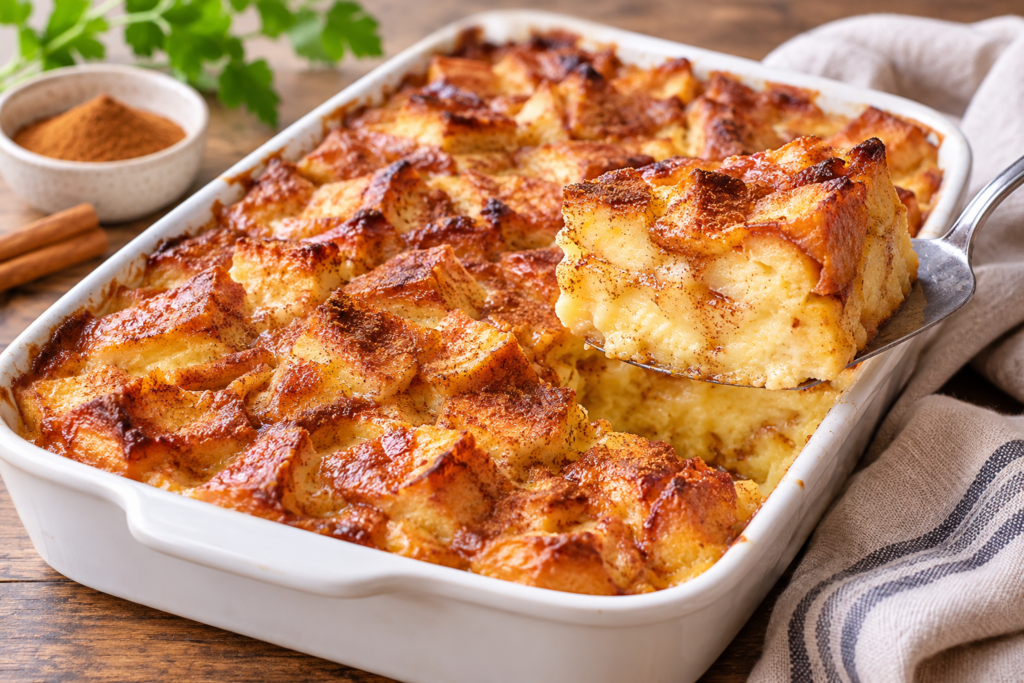
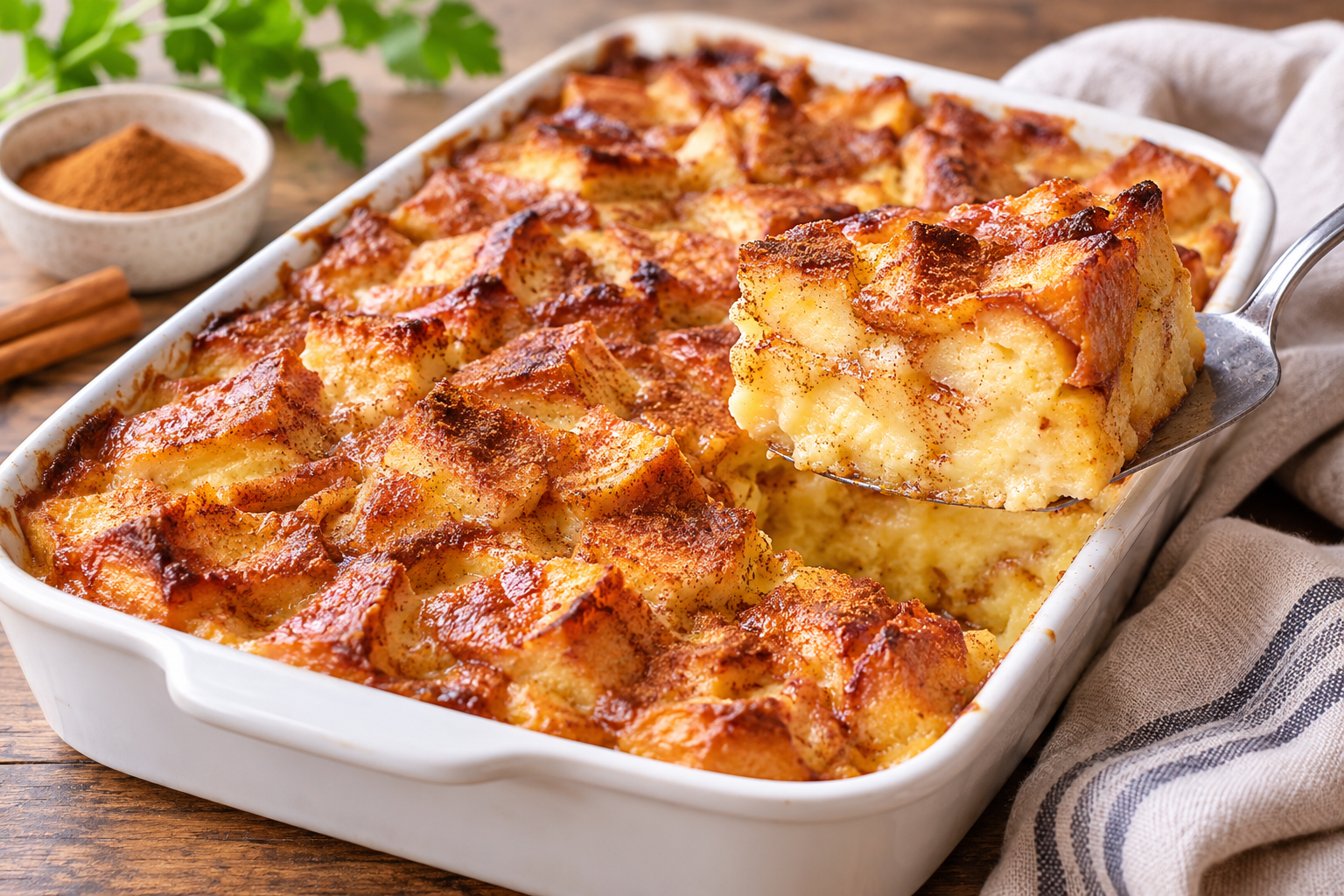
Stale Bread Pudding
A simple, cozy bread pudding that turns day-old bread into a warm, custardy dessert.
Ingredients
Instructions
- Preheat the oven to 350°F. Grease an 8x8-inch baking dish with butter.
- In a large bowl, whisk the eggs, brown sugar, melted butter, vanilla, cinnamon, and salt until smooth.
- Whisk in the milk until fully combined.
- Add the bread cubes and raisins, if using, and gently stir so every piece is coated. Let the mixture soak for 15 minutes, stirring once or twice.
- Pour into the prepared baking dish and press the bread down lightly so it is mostly submerged.
- Bake for 40 to 45 minutes, until the top is golden and the center is set. The internal temperature should reach 160°F.
- Let cool for 10 minutes before serving warm.
Recipe Notes
Use bread that is stale or lightly dried in the oven. Brioche or challah gives a richer result. Refrigerate leftovers within 2 hours, keep up to 3 to 4 days, and reheat to 165°F.